Inspection Information
Everything you need to know about our home inspection process and services
What's Inspected

Exterior
Walls, doors, windows, trim, grading, drainage, driveways, walkways, and vegetation
- •Siding condition
- •Foundation inspection
- •Grading & drainage
- •Deck & porch structures

Roofing
Roof covering, drainage systems, flashings, skylights, and chimneys
- •Roof material condition
- •Flashing inspection
- •Gutter systems
- •Chimney structure

Attic & Insulation
Attic structure, ventilation, insulation, and moisture indicators
- •Insulation levels
- •Ventilation adequacy
- •Roof framing
- •Moisture issues

Plumbing
Supply and waste systems, water heater, fixtures, and drainage
- •Water supply lines
- •Drain systems
- •Water heater condition
- •Fixture operation

Electrical
Service panel, wiring, outlets, switches, and safety devices
- •Panel inspection
- •Wiring safety
- •GFCI protection
- •Grounding systems
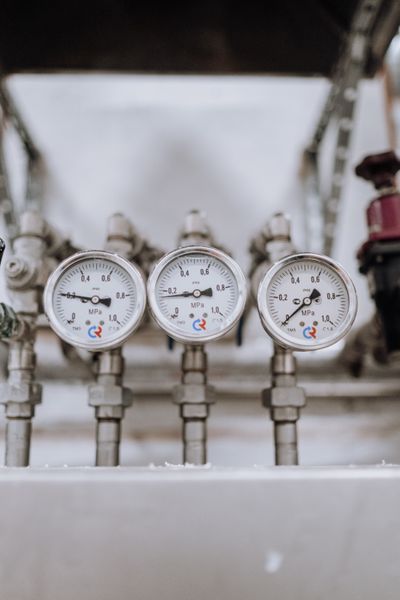
HVAC
Heating and cooling systems, ductwork, and ventilation
- •System operation
- •Filter condition
- •Ductwork integrity
- •Thermostat function
Interior
Walls, ceilings, floors, doors, windows, and stairs
- •Surface conditions
- •Door operation
- •Window integrity
- •Stair safety
Foundation
Foundation structure, basement, and crawl space conditions
- •Foundation integrity
- •Basement moisture
- •Crawl space ventilation
- •Structural supports

Fireplace
Fireplace and chimney structure, venting, and operation
- •Firebox condition
- •Chimney structure
- •Venting adequacy
- •Safety features
Helpful Resources
9 Tips to Finding a Quality Home Inspector
Essential guidelines to help you select the right home inspector for your needs.
When choosing a home inspector, look for certifications, experience, sample reports, and insurance coverage. A quality inspector should provide thorough, unbiased evaluations with detailed documentation.
7 Ways to Avoid the Blind Home Inspector
Learn how to identify and avoid unqualified or inadequate home inspectors.
Verify credentials, check references, review sample reports, ensure proper insurance, and attend the inspection in person. Ask about their experience with your type of property.
How to Read Your Home Inspection Report
Understanding your inspection report is key to making informed decisions.
Focus on the summary page first, understand safety vs. maintenance issues, review photos carefully, and don't hesitate to ask questions. The report is your guide to the home's condition.
Frequently Asked Questions
Inspection Limitations
While we conduct thorough inspections, there are certain limitations to what we can inspect:
- •Areas that are inaccessible or obstructed
- •Systems or components that are shut down
- •Specialized testing (mold, radon, asbestos)
- •Pest or wood-destroying organism inspections
- •Code compliance verification
- •Cosmetic or aesthetic concerns
We can recommend qualified specialists for additional testing if needed.